


Before the 1970s, cults were mostly seen as religious offshoots, arising from disagreements among followers of a particular faith. However, a few specific events brought the issue of cults from the quiet margins of society into the center of public debate.
The most shocking of these was the tragedy at Jonestown, the settlement of the “Peoples Temple,” on November 18, 1978, which resulted in the death of more than nine hundred people. The Peoples Temple was a church founded in San Francisco by a radical preacher named Jim Jones. In the turbulent years of the Vietnam War, Jones delivered passionate speeches against capitalism and U.S. militarism, ultimately declaring to his followers that “America is no longer a place to live.” He then led several hundred followers to a forested area in Guyana, a small Caribbean country, and established a settlement there.
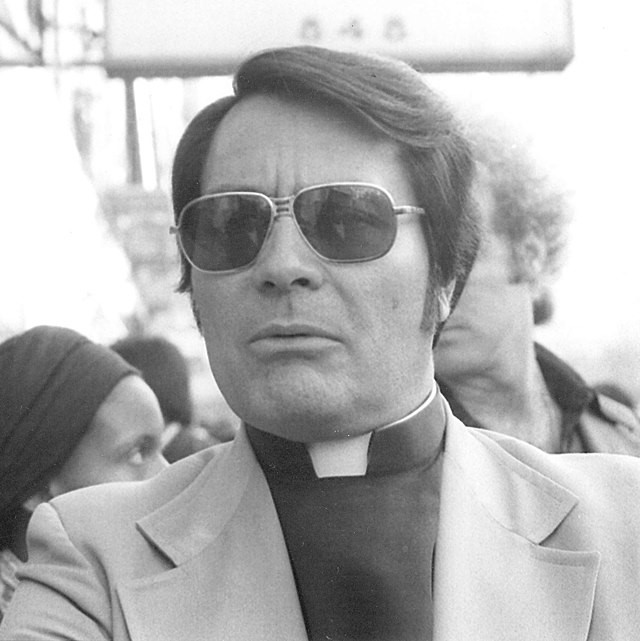
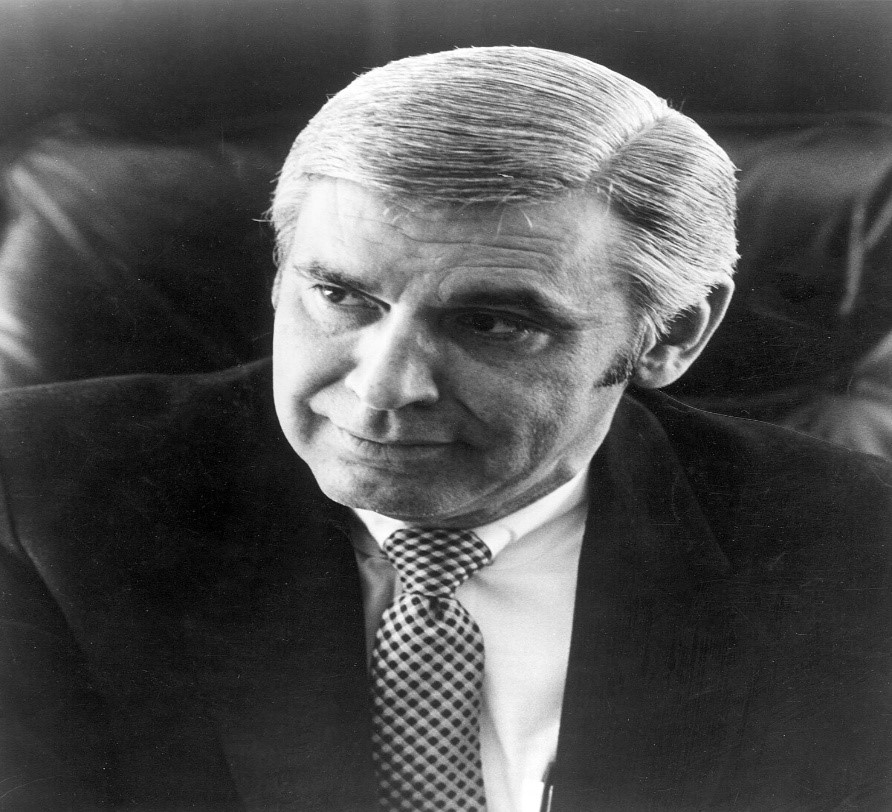
After some time, reports emerged in the U.S. that his followers were being tortured and imprisoned. At the request of the families of the emigrants, U.S. Congressman Leo Ryan from California, along with a group of journalists, traveled unofficially to Jonestown to investigate the living conditions firsthand. Ryan, who had a long-standing friendship with a senior member of the Peoples Temple, used this opportunity to gain permission to visit the settlement.
After a four-day stay, Ryan and his party went to the local airstrip to return to the U.S. Jones, deeply worried about the legal and media consequences of Ryan’s visit, immediately ordered his armed guards—whom he called the “Red Guard”—to kill the congressman and his companions. A violent shootout occurred on the runway, killing Ryan and several others. Some pilots and journalists were injured but managed to escape.
A few hours later, Jones gathered all members of the Peoples Temple in the main hall of the settlement. He delivered a fiery speech, declaring that the moment of ultimate liberation had arrived and that all members should commit “revolutionary suicide” to be remembered in history and to demonstrate their rejection of capitalism and support for socialism. He announced that Congressman Ryan had been killed and that justice had been served. Armed guards surrounded the crowd, and no one was allowed to leave. Jones’s speech that day was recorded on a cassette tape, which was later recovered.
The revolutionary suicide was carried out using a cyanide-laced solution, administered orally via syringes without needles. The first volunteer, a woman holding her infant, poured the solution into the baby’s mouth and then ingested it herself. One by one, members followed, emptying the syringes into their mouths before exiting the hall. Within minutes, the cyanide took effect, and the cries and painful wails of the children could be heard.
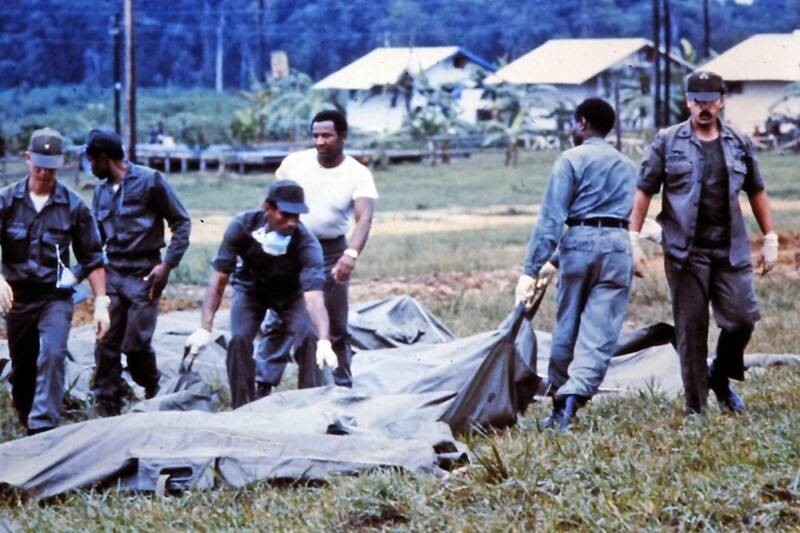
Jones repeatedly told the crowd not to fear the screams, assuring them that if they knew what lay ahead, they would prefer death a million times over ten days of life in this world. Some members hesitated and tried to escape but were forcibly poisoned. When it was over, more than nine hundred bodies lay around the main hall of Jonestown, including 304 children.

The news of the Jonestown mass suicide exploded worldwide. Before September 11, it was the largest mass killing of U.S. citizens in American history. Anything associated with Jonestown—from communism and socialism to withdrawal from urban life and the practice of unusual collective rituals—became a moral panic.
U.S. media exploited the alleged connections between the cult and the Soviet embassy in Guyana to portray their Cold War adversaries as dangerous and evil. For years, discussions of cults became a prominent cultural concern.
Source:
Adapted from the editorial: “How Instagram Became a Cult Temple?” Mohammad Molaabbasi, Tarjomān Journal, Issue 21, Year 6, 2021, pp. 12–17.